How to Build a Strong Local Support Network After Moving to a New City
Discover effective, evidence-based strategies to successfully build a strong local support network and overcome social integration challenges after relocating to a new city.
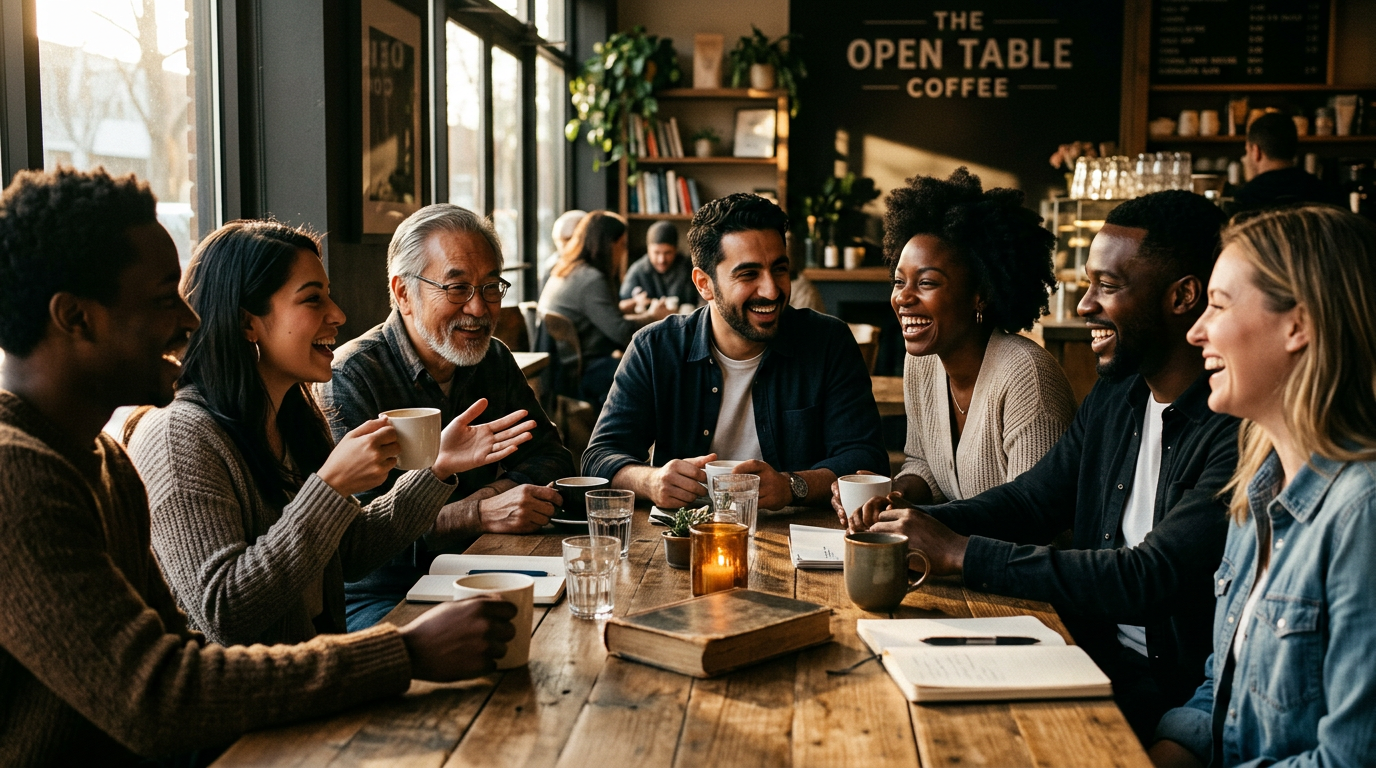
Moving to a new city is often framed as an exciting adventure, a fresh start. And it is. However, beneath the surface of new opportunities lies a quiet, yet profound, challenge for many: how to build a strong local support network. This isn't just about making friends; it's about re-establishing the web of connections—from casual acquaintances to deep friendships and practical support—that anchor us and contribute significantly to our well-being and sense of belonging.
The rise of remote work and increasing mobility means more individuals are navigating this social integration process. The pandemic, too, underscored our innate human need for in-person connection, amplifying the urgency for those seeking to build their social circle in a new place. Loneliness after moving can be a significant hurdle, but it's one that can be actively overcome with intentional strategies and a thoughtful approach to engaging with your new environment.
This guide provides practical, evidence-based steps to cultivate meaningful connections, helping you transition from feeling like an outsider to becoming an integral part of your new community. Our focus here is on tangible actions and sustainable habits for making friends in a new city as an adult, ensuring your relocation culminates in a rich, connected life.
§How do you start building a social circle in a new city?
The initial phase of building a social circle in a new city requires clarity and proactive exploration. Before diving into events, take time to understand your own social needs and what truly energizes you. Are you an introvert who thrives on one-on-one deep conversations, or an extrovert who gains energy from larger group interactions? This self-awareness will guide you toward suitable environments and activities.
One effective starting point is to leverage existing networks, however thin they might seem. Reach out to friends, family, or professional contacts and let them know you've moved. Often, they might have connections in your new city or be able to offer introductions that provide a warm lead, rather than starting entirely from scratch. This can significantly reduce the activation energy required to initiate new interactions.
§What are effective ways to make friends as an adult in a new city?
Making friends as an adult differs significantly from childhood or college, where proximity and shared institutions foster natural connections. In adulthood, intentionally seeking out 'third places' and shared activities becomes paramount. These are environments outside of home and work where people gather for social interaction, fostering a sense of community.
Consider local clubs, volunteer organizations, or adult education classes. The key is to engage in activities you genuinely enjoy, which increases the likelihood of meeting like-minded individuals. Consistency is also vital; repeatedly showing up allows for gradual familiarity and deeper conversation, moving beyond superficial interactions. This incremental exposure is foundational to building trust and rapport.
§How can I meaningfully connect with locals and get involved in my new town?
Meaningful connection goes beyond casual acquaintanceship; it involves vulnerability, reciprocity, and shared experiences. After identifying potential common ground through activities, the next step is to deepen these connections. This often requires taking initiative—inviting someone for coffee, suggesting a walk, or proposing a follow-up activity shortly after an initial positive interaction.
Listening actively and asking open-ended questions demonstrates genuine interest and encourages others to share more about themselves. Avoid the common pitfall of focusing solely on recounting your past experiences or difficulties in the new city. Instead, shift your focus to what you can learn about your new environment and the people within it. This outward orientation makes you more approachable and engaged.
How to Nurture New Connections into a Local Support Network
- 1
Be Proactive and Consistent
Regularly attend chosen activities or groups. Showing up consistently signals your investment and reliability, which builds trust over time.
- 2
Take Initiative for One-on-One
After several group encounters, suggest a more personal meet-up (e.g., coffee, cultural event). This transitions a group acquaintance into a potential friendship.
- 3
Practice Active Listening and Vulnerability
Engage deeply in conversations. Share appropriate personal details to foster reciprocity, but prioritize understanding the other person's perspective.
- 4
Offer Support and Reciprocity
Be a dependable presence. Offer help or resources when appropriate, showing you're a valuable member of the budding network, not just a recipient.
- 5
Embrace Imperfection and Setbacks
Not every connection will blossom into a deep friendship. Acknowledge this, learn from interactions, and maintain an open attitude for future opportunities.

§What are common pitfalls and how can they be avoided when finding community after relocation?
Newcomers often fall into common traps that hinder their social integration. One significant pitfall is expecting instant connections or replicating their old support system overnight. Building deep relationships takes time, often months or even years, and rushing the process can lead to frustration or burnout.
Another mistake is solely relying on online connections or dating apps for friendship. While these can be supplemental, they rarely replace the nuanced in-person interactions that build dense social capital. Furthermore, avoiding local events or being overly critical of new social scenes stifles opportunities for natural encounters.
| Pitfall | Characteristic | Effective Solution |
|---|---|---|
| Expecting Instant Bonds | Anticipating immediate deep friendships. | Embrace patience; focus on consistent, low-pressure interactions. |
| Passive Waiting | Hoping opportunities will come to you. | Actively research and initiate involvement in groups/activities. |
| Staying In Your Comfort Zone | Only interacting with people similar to past friends. | Diversify your social contacts; engage with various demographics. |
| Ignoring Local Culture | Not adapting to local norms or pace of life. | Observe and learn local customs; show respect and openness. |
| Over-scheduling | Trying to join too many groups at once. | Prioritize 2-3 consistent activities to allow for deeper engagement. |
| Neglecting Follow-Up | Not reaching out after a positive initial interaction. | Send a text or email within 24-48 hours; suggest a casual next meetup. |
§How do you overcome loneliness after moving to a new city?
Loneliness after moving is a common and normal experience; it's a signal that your social needs are not being met. Acknowledging this feeling without judgment is the first step. Resist the urge to withdraw, which can exacerbate isolation. Instead, view loneliness as a motivator to actively engage with your new environment using the strategies discussed.
Practical coping mechanisms include maintaining a routine, especially around self-care, exercise, and hobbies. Schedule dedicated 'social time' even if it initially means attending a class alone. Importantly, leverage technology to stay connected with your existing network, but balance this with intentional efforts to build local ties. Seeking professional support if loneliness becomes debilitating is also a valid and powerful option.
§Frequently asked questions
How long does it take to build a local support network after moving?+
What are some low-pressure ways to make initial connections in a new city?+
Should I be open about being new to the city when meeting people?+
Are there specific types of activities best for finding community after relocation?+
How important is proximity in building a new social circle?+
Sources & further reading
- Bowling Alone: The Collapse and Revival of American Community — Simon & Schuster (2000)
- The Lonely Century: How to Restore Human Connection in a World That's Pulling Apart — W. W. Norton & Company (2021)
- Trends in Adult Friendships — Pew Research Center (2023)
- Social Support and Adult Friendship After Relocation — Journal of Social and Personal Relationships (2022)
- The Power of Vulnerability: Teachings on Authenticity, Connection and Courage — Penguin Random House (2012)
- The Great Good Place: Cafes, Coffee Shops, Community Centers, Beauty Parlors, Barbershops, Bookstores, Bars, Flea Markets, and a Few Other Hangouts at the Heart of a Community — Da Capo Press (1989)
Featured Guides

7 Micro-Adventure Ideas for Busy Professionals to Break Routine and Reclaim Their Week
10 min read

Maya Hari's Quiet Confidence: Lessons from a Tech Leader's Rise
9 min read

Pomodoro vs Flow State: Structured Focus or Seamless Immersion?
9 min read

Reversing Chronic Insomnia: One Entrepreneur's Journey from Scarcity to Eight Hours of Sleep
7 min read