Reversing Chronic Insomnia: One Entrepreneur's Journey from Scarcity to Eight Hours of Sleep
Discover how a blended approach of CBT-I and smart sleep technology helped one entrepreneur achieve a dramatic sleep transformation, offering a compelling reversing chronic insomnia case study.
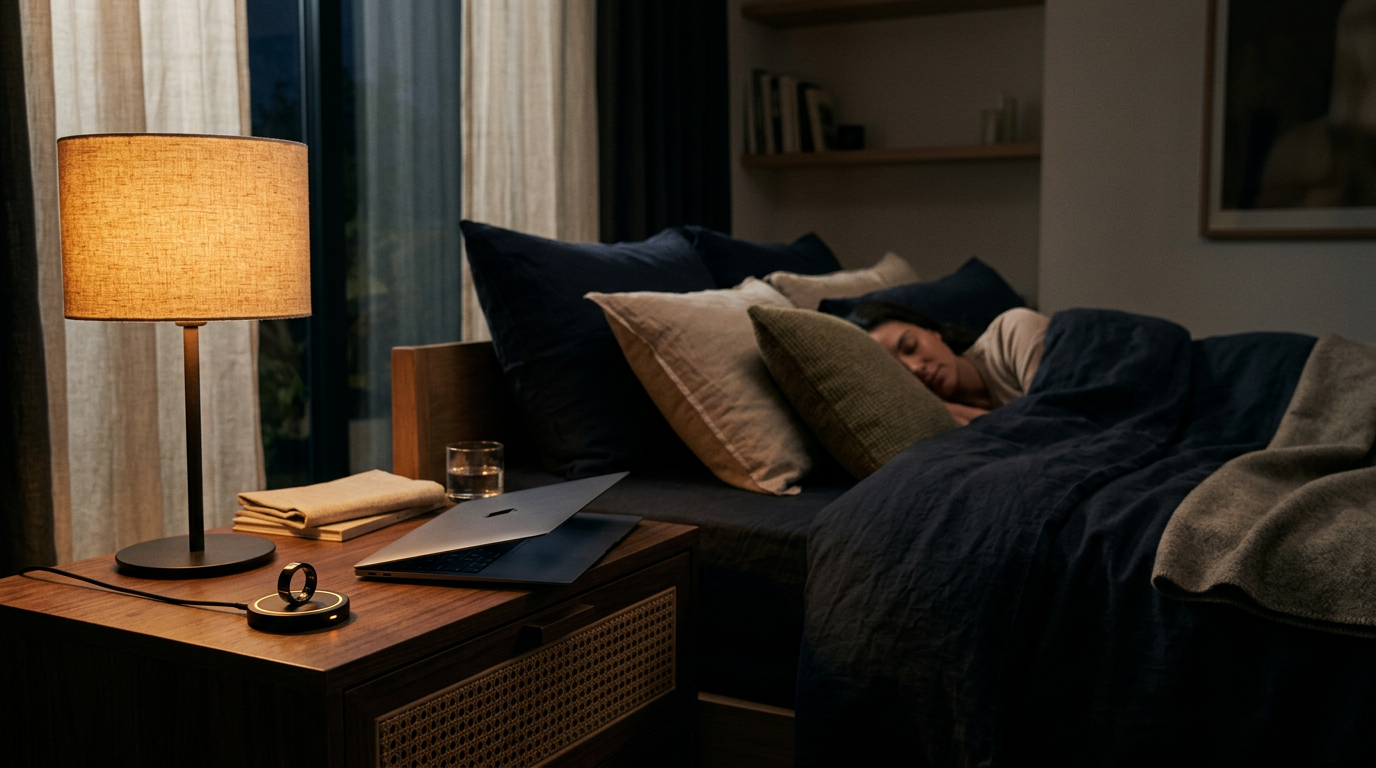
In the relentless pursuit of entrepreneurial success, sleep often becomes the first casualty. Long hours, high-stakes decisions, and perpetual stress conspire against restful nights, leading to a pervasive issue: chronic insomnia. But what if there was a path not just to managing, but to truly reversing chronic insomnia? This is the compelling journey of Mark, a 38-year-old tech founder who transformed his life by moving from a debilitating 3 hours of sleep per night to a restorative 8-hour slumber.
Mark's story is not an anomaly in today's hyper-connected world, where entrepreneur sleep problems are rampant. His breakthrough, however, lies in a strategic, data-driven methodology that blends time-tested psychological intervention with cutting-edge sleep technology. This article delves into his six-month sleep transformation journey, dissecting the specific tactics, tools, and mindset shifts that allowed him to reclaim his nights and, consequently, his days.
As we navigate 2026, the integration of science-backed therapy and smart devices offers new hope for those struggling with sleep. Mark's case study serves as a beacon, illustrating how a personalized and persistent approach can lead to a significant insomnia treatment breakthrough, fundamentally altering quality of life and productivity.
§What is Cognitive Behavioral Therapy for Insomnia (CBT-I) and why is it effective?
Mark's initial foray into sleep rehabilitation began with Cognitive Behavioral Therapy for Insomnia (CBT-I). This is not just a generic therapy; it's a structured program that tackles the thoughts, feelings, and behaviors that perpetuate sleep difficulties. For Mark, a key component was identifying and challenging the maladaptive beliefs he held about sleep—beliefs like "I'll never sleep well"—which fueled anxiety every night.
CBT-I incorporates several core components, including sleep restriction therapy, stimulus control, cognitive restructuring, and sleep hygiene education. Sleep restriction, counterintuitively, involves limiting time in bed to increase sleep drive, then gradually extending it as sleep efficiency improves. Stimulus control aims to break negative associations between the bed/bedroom and wakefulness by using the bed only for sleep and sex, and leaving the bedroom if unable to sleep after 20 minutes.
For Mark, the cognitive restructuring piece was pivotal. He learned to reframe nighttime awakenings not as failures but as opportunities to practice relaxation techniques. This shift in perspective reduced his pre-sleep anxiety, a major barrier to falling asleep. The therapy also provided tools for managing intrusive thoughts, a common challenge for high-achieving entrepreneurs who find it difficult to switch off.
§How did smart tech contribute to Mark's sleep transformation journey?
Beyond conventional therapy, Mark embraced smart technology, a defining element of his sleep transformation journey. He integrated an Oura Ring and a temperature-regulating mattress system into his routine. These devices provided objective data, moving beyond subjective feelings of sleep quality to quantifiable metrics like sleep stages, heart rate variability, and body temperature. This data was crucial for personalized adjustments.
““The Oura Ring didn’t just tell me how much I slept; it showed me the quality. Seeing tangible improvements in my deep and REM sleep stages, directly correlating with my therapy exercises, was incredibly motivating. It turned 'trying to sleep' into a data-driven project.””
The mattress system, which adapted its temperature throughout the night, played a significant role. Stable core body temperature is essential for deep sleep, and Mark found that customizing his sleep environment based on his personal data radically improved his sleep efficiency. This blend of best sleep tech for insomnia made his bedroom a sophisticated sleep laboratory.

§What daily routines were essential for reversing chronic insomnia?
Mark's success hinged on meticulously implemented daily routines, acting as the behavioral bedrock for his CBT-I and tech-driven interventions. The most critical aspect was a rigid, unyielding wake-up time, even on weekends. This commitment to circadian rhythm regulation signaled to his body when to be awake and when to prepare for sleep, a cornerstone of how to overcome chronic insomnia.
Mark's Core Sleep Routine Strategies
- 1
Consistent Wake-Up Time
Adhered to a 6:00 AM wake-up daily, regardless of the previous night's sleep quality, to stabilize his internal clock.
- 2
Morning Light Exposure
Immediately sought 15-30 minutes of natural light upon waking to suppress melatonin and reinforce his circadian rhythm.
- 3
Evening Wind-Down Protocol
Implemented a screen-free, dimly lit, and quiet hour before bed, focusing on relaxation techniques like reading or meditation.
- 4
Optimized Sleep Environment
Ensured his bedroom was dark, quiet, cool (18°C/65°F), and free of work-related items, aided by smart lighting and temperature controls.
- 5
Dietary and Exercise Adjustments
Minimized caffeine and alcohol intake, especially in the afternoon and evening, and scheduled exercise for mornings or early afternoons.
Evening rituals were equally vital. He developed a rigorous wind-down routine that began an hour before his target bedtime. This included dimming lights, avoiding screens, and engaging in calming activities like reading or gentle stretching. These practices served as powerful cues to his brain that it was time to transition from high-alert entrepreneur mode to rest mode.
Mark also adjusted his diet, significantly reducing caffeine after lunchtime and eliminating alcohol before bed, both known sleep disruptors. Regular, moderate exercise in the mornings contributed to better sleep depth at night. The consistency across these routines was key, reinforcing the behavioral changes taught in CBT-I and optimizing the conditions identified by his sleep tech.
§What were the measurable outcomes of this insomnia treatment breakthrough in 2026?
Over six months, Mark's sleep metrics demonstrated a profound insomnia treatment breakthrough. His average nightly sleep duration increased from 3 hours to approximately 7.5-8 hours. Sleep efficiency—the percentage of time in bed actually spent sleeping—soared from a dismal 40% to a healthy 90%. His subjective experience mirrored these objective gains: he reported significantly reduced daytime fatigue, improved concentration, and a noticeable boost in mood and executive function.
| Metric | Before Intervention | After 6 Months |
|---|---|---|
| Average Sleep Duration | 3 hours | 7.8 hours |
| Sleep Efficiency | 40% | 90% |
| Time to Fall Asleep (SOL) | 90+ minutes | 15 minutes |
| Number of Awakenings (WASO) | 5-7 times/night | 0-1 times/night |
| Subjective Energy Levels | Low/Crashing | Consistent/High |
| Cognitive Function | Impaired Focus | Sharp/Clear |
Mark's Sleep Duration Improvement Over 6 Months
His Heart Rate Variability (HRV), a key indicator of recovery and nervous system balance, also showed marked improvement, transitioning from a state indicative of chronic stress to one of better resilience. These measurable changes underscore the power of a comprehensive, integrated approach to overcoming chronic insomnia, proving that dedicated effort, informed by science and technology, can yield profound results.
§Frequently asked questions
Can chronic insomnia truly be reversed, or only managed?+
How long does it typically take to see results from CBT-I?+
Is integrating smart sleep tech crucial for insomnia treatment success?+
What are the common pitfalls when attempting to overcome chronic insomnia?+
How does sleep restriction therapy in CBT-I work, and is it safe?+
Sources & further reading
- Cognitive Behavioral Therapy for Insomnia: An Overview — American Academy of Sleep Medicine (2024)
- Behavioral Sleep Medicine: An Evidence-Based Approach to Sleep Disorders — Oxford University Press (2023)
- The Role of Wearable Technology in Sleep Monitoring — Journal of Clinical Sleep Medicine (2024)
- Circadian Rhythms and Their Role in Sleep Regulation — National Institute of Neurological Disorders and Stroke (NINDS) (2023)
- Heart Rate Variability: A New Tool for Measuring Stress & Recovery — Harvard Medical School (2025)
Featured Guides

How to Build a Strong Local Support Network After Moving to a New City
7 min read

7 Micro-Adventure Ideas for Busy Professionals to Break Routine and Reclaim Their Week
10 min read

Maya Hari's Quiet Confidence: Lessons from a Tech Leader's Rise
9 min read

Pomodoro vs Flow State: Structured Focus or Seamless Immersion?
9 min read