7 Sustainable Living Myths That Are Costing You Money (and Peace of Mind)
We bust the biggest sustainable living myths to reveal how an eco-conscious lifestyle in 2026 can actually save you money, reduce anxiety, and simplify your daily routine.
Every time you scroll, it seems there's a new, beautifully packaged product promising to save the planet—and asking for a significant portion of your salary. In an era of escalating living costs, the pressure to 'do the right thing' feels increasingly at odds with the need to manage a tight budget. This tension feeds a pervasive narrative that sustainability is a luxury, a club with a high cost of entry. But what if that whole story is built on a foundation of falsehoods? It's time we talked about the common sustainable living myths that are not only inaccurate but are actively costing you money and peace of mind.
The feeling of being priced out of doing good is a real and valid form of anxiety. You see the minimalist pantries, the designer recycled-fabric activewear, the artisanal bamboo everything, and you think, 'That's not for me.' The truth is, that's not what sustainability is actually about. At its core, sustainable living isn't about what you buy; it's about what you *don't* buy. It’s about being more intentional, resourceful, and connected to the things you own and the community you live in.
This guide is an intervention. We're going to dismantle seven of the most persistent myths that keep you from embracing a lifestyle that is not only better for the environment but is demonstrably better for your bank account. Let’s separate the influencer-driven fiction from the budget-friendly reality and find a more grounded, practical, and frankly, more joyful way to live.
§Myth #1: Is Sustainable Living Inherently Expensive?
This is perhaps the most damaging myth of all. The perception that a sustainable life requires purchasing a whole new set of 'eco' products is a marketing triumph, not an environmental one. We've been sold an image of sustainability that involves expensive electric cars, pantry overhauls with matching glass jars, and wardrobes filled with pricey ethical brands. But this is a fundamental misinterpretation.
The most sustainable action is almost always to reduce your consumption. The most sustainable product is the one you already own. The second most is the one you get secondhand. The third is the one you borrow. Only after these options are exhausted does buying something new enter the picture. This hierarchy of choices—reduce, reuse, repair, recycle—is inherently frugal. It guides you away from impulse buys and toward valuing durability and resourcefulness. When you stop seeing yourself as a 'consumer' and start seeing yourself as a 'steward' of your resources, your spending habits change dramatically.
§Myth #2: Do I Have to Fit All My Trash in a Mason Jar?
The 'zero-waste' movement, while born from noble intentions, has produced an unfortunate side effect: perfectionism paralysis. The viral images of a year's worth of trash fitting neatly into a small glass jar can be inspiring to some, but for most, it's deeply intimidating. It sets an impossibly high bar that makes the entire endeavor feel futile before you've even started. If you can't be perfect, why bother at all? This all-or-nothing thinking is one of the biggest zero waste mistakes you can make.
The truth is that your individual, imperfect efforts, when joined by millions of others, create a tidal wave of change. The pressure for purity overlooks the power of the collective. Focusing on a handful of achievable, consistent changes in your own life—like switching to a reusable coffee cup, composting your food scraps, or committing to meat-free Mondays—has a far greater real-world impact than striving for an unattainable ideal and giving up in frustration.
“We don’t need a handful of people doing zero waste perfectly. We need millions of people doing it imperfectly. This is where the real power for change lies—in making sustainability accessible and shame-free.”
§Myth #3: Are All 'Eco-Friendly' Products a Good Choice?
Navigating the world of 'green' products feels like walking through a minefield of confusing claims. The term 'eco-friendly' is unregulated, meaning companies can slap it on a package with little to no justification. This practice, known as greenwashing, preys on our desire to make good choices. Many so-called eco friendly product myths lead us to buy things we don't need, often at a premium.
A classic example is the rush to replace functional plastic items with new bamboo or metal versions. Is a brand-new bamboo toothbrush objectively better than the plastic head of the electric toothbrush you've used for years? Not if it means the functional electric base ends up in a landfill. The most sustainable choice is often to use what you have to the end of its life. Before buying a 'green' alternative, ask yourself: Do I truly need this? Is there a non-product solution? Could I borrow it? Or find it secondhand? Often, the answer prevents a purchase entirely, which is a win for both your wallet and the planet.
| Product | Upfront Cost | 5-Year Cost | Key Consideration |
|---|---|---|---|
| Disposable Paper Towels | $4 | $480+ | Constant repurchase, high waste, resource-intensive production. |
| Cloth 'Unpaper' Towels | $25 | $25 | One-time purchase, requires washing, extremely durable. |
| Disposable Plastic Wrap | $5 | $60+ | Single-use plastic, difficult to recycle, potential for food contamination. |
| Beeswax Wraps / Silicone Lids | $20 | $20-40 | Reusable for years, reduces plastic waste, requires gentle care. |
| Bottled Cleaning Spray | $6 | $144+ | Mostly water, plastic bottle waste, unknown chemical ingredients. |
| DIY Vinegar Spray (in old bottle) | $1 (for vinegar) | $12 | Reuses existing bottle, extremely cheap, effective multi-purpose cleaner. |
§Myth #4: Is a Sustainable Diet Just Expensive Vegan Junk Food?
When people hear 'plant-based diet,' many picture supermarket shelves filled with expensive faux meats and designer oat milks. While the market for these products has exploded, they represent a very narrow, and often costly, slice of sustainable eating. Equating a low-impact diet with these highly processed foods is a misconception that stops many people from exploring it.
The financial and environmental sweet spot of a sustainable diet lies in centering your meals around whole foods. Lentils, beans, chickpeas, seasonal vegetables, whole grains, and potatoes are some of the cheapest, most nutritious, and lowest-impact foods on the planet. Shifting even a few meals a week from meat-centric to legume-centric can have a dramatic effect on your grocery bill and your carbon footprint. Rather than thinking 'what fake meat can I substitute?', think 'what delicious meal can I build from plants?' The answer is usually much cheaper and healthier.
Average Cost Per 20g of Protein
§Myth #5: Do I Need an Expensive Wardrobe to Be an 'Ethical' Dresser?
The rise of 'slow fashion' has, ironically, created a new form of trend-chasing. Beautifully marketed, expensive brands using organic linen and recycled materials can make ethical fashion feel like another exclusive club. But a truly sustainable approach to clothing has very little to do with buying new things at all, regardless of the brand.
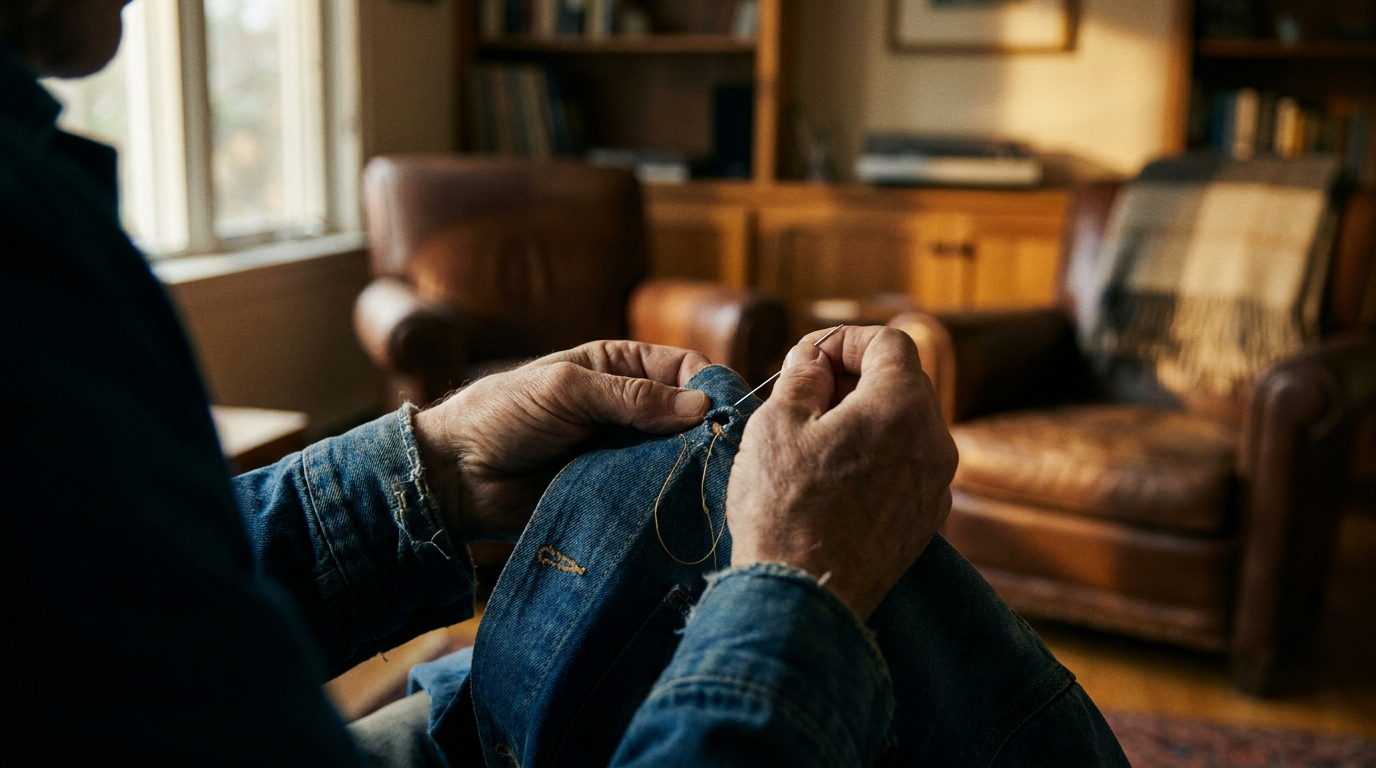
The most ethical wardrobe is the one you already have. Before you buy anything, focus on extending the life of your current clothes. This paradigm shift, away from disposability and towards stewardship, is the core of sustainable fashion. It's a practical, creative, and deeply personal process that saves you an enormous amount of money compared to the relentless cycle of fast fashion.
How to Build a More Sustainable Wardrobe on a Budget
- 1
Step 1: Shop Your Own Closet
Before you even think about buying, do a full audit. Pull everything out. What do you love? What needs mending? What haven't you worn in a year? Try 'new' combinations of old pieces to refresh your style without spending a cent.
- 2
Step 2: Learn a Simple Mending Skill
Replacing a button, sewing a seam, or patching a small hole are incredibly simple skills that can dramatically extend the life of your clothes. Countless free tutorials online can teach you the basics in under 15 minutes. This is a superpower against throwaway culture.
- 3
Step 3: Master the Art of Thrifting
Secondhand shopping offers unique, high-quality pieces at a fraction of the cost of new. Go with a plan: know your measurements and make a list of specific items you're looking for (e.g., 'black wool coat,' 'levi's 501 jeans') to avoid being overwhelmed.
- 4
Step 4: Use the '30 Wears' Test
If you do decide to buy new, pause and ask yourself: 'Will I wear this at least 30 times?' This simple rule, coined by Livia Firth of Eco-Age, forces you to consider longevity and versatility over fleeting trends. It encourages investment in timeless, durable pieces.
§Frequently asked questions
What is the cheapest way to be more sustainable?+
Do small sustainable changes really make a difference?+
How can I avoid zero waste mistakes?+
What are some common eco friendly product myths?+
Is living sustainably better for your mental health?+
How can I be sustainable on a very tight budget?+
Sources & further reading
- Opportunities to Reduce Food Waste in the 2030 Food Loss and Waste Reduction Goal — US Environmental Protection Agency (EPA) (2025)
- The Psychology of Sustainable Behavior — Journal of Social Psychology (2024)
- Greenwashing and Its Effects on Consumer Choice — Harvard Business Review (2023)
- Cost of Dietary Protein Sources — Oxford Martin Programme on the Future of Food (2025)
- Fixing Fashion: Clothing Consumption and Sustainability — UK Parliament Environmental Audit Committee (2019)
- Conspicuous consumption and the environmental impact of the new 'eco-chic' — Ecological Economics (2022)
Featured Guides

How to Build a Strong Local Support Network After Moving to a New City
7 min read

7 Micro-Adventure Ideas for Busy Professionals to Break Routine and Reclaim Their Week
10 min read

Maya Hari's Quiet Confidence: Lessons from a Tech Leader's Rise
9 min read

Pomodoro vs Flow State: Structured Focus or Seamless Immersion?
9 min read